

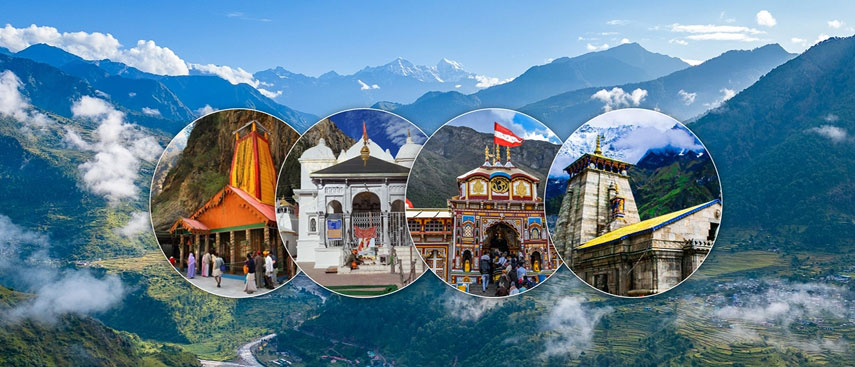

The Chardham Yatra—covering Yamunotri, Gangotri, Kedarnath, and Badrinath—is one of the most sacred pilgrimages in India. Nestled in the mighty Himalayas of Uttarakhand, this spiritual journey promises divine blessings, breathtaking landscapes, and deep inner peace. However, due to high altitude, unpredictable weather, and challenging terrain, the Chardham Yatra is not an ordinary trip.
Every year, thousands of pilgrims face avoidable difficulties simply because of poor planning or lack of awareness. To help you have a safe, comfortable, and spiritually fulfilling journey, this guide highlights the most common mistakes pilgrims make during the Chardham Yatra—and how to avoid them.
1. Ignoring Physical Fitness and Health Preparation
One of the biggest mistakes pilgrims make is underestimating the physical demands of the Chardham Yatra. The journey involves long travel hours, steep walks, thin air, and cold temperatures.
Why This Is a Problem
- High altitude can cause breathlessness, dizziness, and fatigue
- Pre-existing conditions like BP, asthma, or diabetes may worsen
- Kedarnath and Yamunotri require trekking or pony services
How to Avoid It
- Start light walking or cardio exercises at least 3–4 weeks before travel
- Get a medical check-up, especially if you are above 50
- Carry prescribed medicines with extra dosage
- Stay hydrated and avoid overexertion
2. Traveling Without Proper Registration
Many first-time pilgrims are unaware that Chardham Yatra registration is mandatory and monitored by the Uttarakhand government.
Why This Is a Problem
- Entry may be denied at checkpoints
- No access to emergency services or tracking
- Increased waiting time at registration counters
How to Avoid It
- Complete online registrationwell in advance
- Carry printed or digital copies of your Yatra pass
- Register each traveler individually
3. Choosing the Wrong Time for the Yatra
Timing plays a crucial role in the success of your Chardham Yatra. Poor timing can lead to roadblocks, extreme cold, or overcrowding.
Common Timing Mistakes
- Traveling too early (April) when weather is unstable
- Visiting during peak rush without accommodation booking
- Ignoring monsoon season risks (July–August)
Best Time to Visit
- May to June: Pleasant weather, manageable crowds
- September to mid-October: Clear skies and fewer pilgrims
4. Packing Improper or Insufficient Clothing
Many pilgrims pack lightly assuming summer weather, forgetting that the Himalayas are unpredictable.
Why This Is a Problem
- Sudden temperature drops, especially at Kedarnath
- Rainfall and cold winds
- Night temperatures near freezing
What You Should Pack
- Layered clothing (thermal wear, jackets, sweaters)
- Waterproof jackets and ponchos
- Woolen caps, gloves, and scarves
- Comfortable trekking shoes with good grip
5. Ignoring Weather Forecasts and Alerts
Weather conditions in Uttarakhand can change within hours. Ignoring official weather alerts is a risky mistake.
Risks Involved
- Landslides and road closures
- Helicopter service cancellations
- Health issues due to extreme cold or rain
How to Stay Safe
- Check daily weather updates before moving
- Keep buffer days in your itinerary
- Follow local authority advisories strictly
6. Overloading the Itinerary
Trying to complete the Chardham Yatra in too few days is another common mistake.
Why This Is Harmful
- Leads to extreme fatigue
- Increases chances of altitude sickness
- Reduces spiritual experience to a rushed task
Smart Planning Tips
- Allocate 10–12 daysfor a relaxed yatra
- Include rest days between dham visits
- Avoid night travel in hilly areas
7. Not Booking Accommodation in Advance
During peak season, accommodation near dhams becomes scarce very quickly.
Problems You May Face
- Forced to stay far from temples
- High last-minute prices
- Unsafe or unhygienic lodging
Best Practice
- Book hotels, guest houses, or GMVN stays early
- Choose accommodations with basic heating and hot water
- Confirm bookings a day before arrival
8. Underestimating Food and Water Needs
Pilgrims often assume food will be easily available everywhere, which is not always true.
Common Mistakes
- Skipping meals due to temple queues
- Drinking untreated water
- Trying unfamiliar food suddenly
How to Manage It
- Eat light, vegetarian meals
- Carry dry fruits, biscuits, and energy bars
- Drink only packaged or boiled water
9. Ignoring Local Guidelines and Temple Rules
Each dham has its own customs and crowd-management systems.
Issues Caused
- Long waiting times
- Entry denial during peak hours
- Unintentional disrespect to local traditions
What You Should Do
- Follow dress codes and queue systems
- Respect photography restrictions
- Listen to temple volunteers and police
10. Not Considering Travel Insurance and Emergency Support
Many pilgrims skip travel insurance, thinking it’s unnecessary for religious trips.
Why This Is a Risk
- Medical emergencies are expensive in remote areas
- Helicopter evacuations cost a lot
- Limited hospital facilities
Safety Measures
- Opt for basic travel and medical insurance
- Keep emergency contact numbers handy
- Inform family about your daily itinerary
11. Choosing Unreliable Travel Operators
Booking through unknown or unverified agents can turn your yatra into a nightmare.
Common Problems
- Fake helicopter bookings
- Poor-quality vehicles
- No support during emergencies
How to Avoid This
- Choose reputed Chardham tour operators
- Check reviews and licenses
- Prefer agencies with local Uttarakhand experience
12. Disrespecting Nature and Cleanliness
The Himalayas are ecologically sensitive. Littering and misuse harm the environment and your spiritual experience.
Mistakes to Avoid
- Throwing plastic waste
- Using single-use plastic
- Damaging natural trails
Responsible Travel Tips
- Carry reusable water bottles
- Dispose waste responsibly
- Follow “Leave No Trace” principles
13. Relying Fully on Helicopter Services
While helicopter services save time, relying solely on them can be risky.
Possible Issues
- Weather-related cancellations
- Long waiting lists
- No refunds in some cases
Smart Approach
- Keep buffer days
- Mentally prepare for alternate travel plans
- Confirm refund and rescheduling policies
14. Neglecting Mental and Spiritual Preparation
The Chardham Yatra is not just physical travel—it’s a spiritual journey.
Why It Matters
- Impatience and stress reduce the spiritual essence
- Overcrowding can test your calmness
- Discomfort is part of the pilgrimage
How to Prepare
- Travel with a flexible mindset
- Practice patience and gratitude
- Focus on devotion rather than convenience
Conclusion: A Well-Planned Yatra Is a Blessed Yatra
Avoiding these common mistakes can make your Chardham Yatra safer, smoother, and spiritually fulfilling. With proper planning, physical readiness, and the right mindset, the journey becomes more than a trip—it becomes a life-changing experience.
Remember, the Chardham Yatra is about faith, endurance, and humility. Respect the mountains, follow local rules, and prioritize your health. When you prepare wisely, the divine blessings of Yamunotri, Gangotri, Kedarnath, and Badrinath will stay with you long after the journey ends.