


Dust, pollen, pet dander, and other airborne contaminants can affect indoor comfort, particularly when a home’s heating and cooling system circulates the same air throughout the day. Choosing the right air-cleaning solution can help reduce these pollutants, but different technologies work in different ways.
For homeowners considering UV air purifier installation in Satellite Beach, understanding the difference between ultraviolet purification and standard air filtration is an important first step. The best option depends on which contaminants concern you, your existing HVAC system, and the indoor air quality problems you want to address.
How Do Standard Air Filters Work?
Standard HVAC air filters capture airborne particles as air passes through the heating and cooling system. Depending on the filter’s design and efficiency, it can trap dust, pollen, lint, pet dander, and certain smaller particles before they circulate back into living spaces.
Filter performance is often described using the Minimum Efficiency Reporting Value, or MERV. Higher MERV ratings generally indicate that a filter captures a wider range of particles more efficiently under standardized testing conditions. However, a filter with a higher rating can also restrict airflow if the HVAC system is not designed to accommodate it.
Most homes benefit from an appropriately sized filter that balances particle removal with the system’s airflow requirements. Replacing disposable filters at the recommended intervals is equally important because accumulated debris can reduce airflow and interfere with heating and cooling performance.
What Does a UV Air Purifier Do?
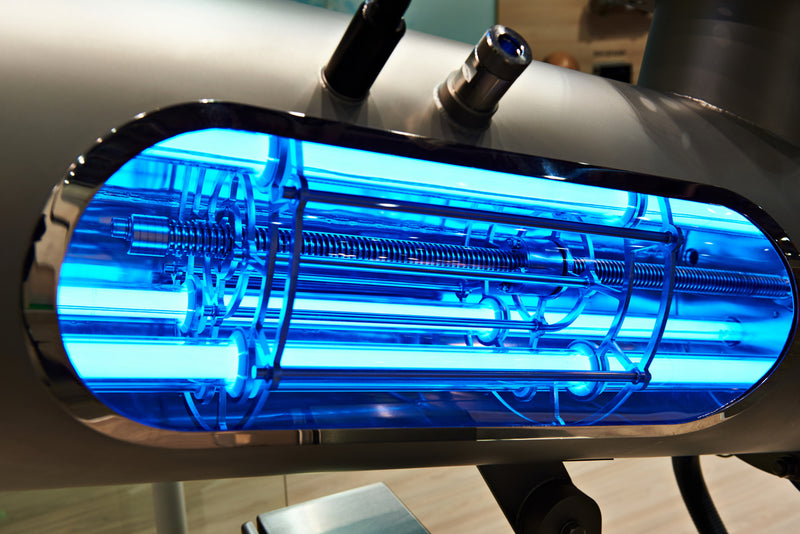
A UV air purifier uses ultraviolet light, typically UV-C, to inactivate certain microorganisms by damaging their genetic material. Depending on the equipment and exposure conditions, this technology can target biological contaminants such as bacteria, viruses, and mold.
Whole-home UV systems are commonly installed inside HVAC equipment, often near the indoor evaporator coil or another suitable location. The light treats the targeted area or microorganisms exposed to it as part of the system’s operation.
UV purification differs from conventional filtration because it does not physically capture dust, pollen, or pet hair. Its effectiveness also depends on factors such as light intensity, exposure time, placement, and the organism being targeted. A UV system should therefore complement appropriate filtration rather than replace it.
UV Air Purifiers vs. Standard Air Filters: Key Differences
The main difference between these technologies is how they treat contaminants. Filters physically collect particles, while UV systems use light to inactivate susceptible microorganisms. Neither technology addresses every indoor air quality concern on its own.
Standard filters are generally the first line of defense against airborne particles. They are particularly useful for households dealing with dust accumulation, seasonal pollen, or pet-related allergens. High-efficiency filters can capture smaller particles, provided the HVAC system supports their use.
UV purification is more relevant when biological growth within HVAC equipment is a concern. In humid environments, moisture around an evaporator coil can create conditions that encourage microbial growth. Properly installed UV equipment may help manage certain microorganisms in targeted areas.
For many homes, combining effective filtration with UV technology offers broader coverage than relying on either option alone. However, the appropriate combination depends on the home’s conditions, equipment, and specific air quality concerns.
Which Option Is Better for Your Home?
The right choice starts with identifying the problem rather than selecting equipment based on its advertised features.
If dust, pollen, and pet dander are your primary concerns, improving filtration may be the most practical starting point. Check your current filter’s condition and rating, and confirm that it fits securely in the designated slot. If particles continue to circulate, consider whether a compatible, more efficient filter could help.
If you are concerned about microbial growth around your HVAC coil or persistent moisture-related problems, UV purification may be worth considering. However, UV lights do not correct the underlying causes of dampness. Drainage problems, clogged condensate lines, and excessive indoor humidity still require appropriate attention.
Homeowners experiencing several indoor air quality problems may benefit from a combined approach. Before investing in additional equipment, consider ventilation, humidity control, duct condition, and routine HVAC maintenance. Addressing these factors can help determine which improvements are likely to provide the greatest benefit.
Signs Your Current Air Quality System Needs Attention
Persistent dust, recurring musty odors, and uneven airflow can indicate that your home’s air quality or HVAC system needs attention. These symptoms do not automatically mean you need a UV purifier or a more powerful filter, since several underlying issues can produce similar problems.
Pay attention to the following warning signs:
- Dust accumulating quickly: The filter may be unsuitable, improperly fitted, overdue for replacement, or allowing air to bypass it.
- Musty smells near vents: Moisture buildup, dirty components, or microbial growth may require inspection.
- Reduced airflow: A clogged filter, obstructed return vent, or ductwork problem could be responsible.
- Persistent allergy symptoms: Airborne irritants may be contributing, although symptoms can have other causes.
- Visible moisture or mold: Investigate and correct the moisture source rather than relying on air purification alone.
If these issues persist despite regular filter changes, a professional indoor air quality assessment can help identify the cause and determine whether filtration, UV purification, humidity control, or another solution is appropriate.
Installation and Maintenance Considerations
Before installing either system, confirm that the equipment is compatible with your existing HVAC setup. A professional can evaluate the filter size, recommended MERV rating, airflow requirements, and available space for additional purification equipment.
For UV systems, placement and safe installation are particularly important. Direct exposure to UV-C radiation can injure eyes and skin, so the equipment should be installed and maintained according to its manufacturer’s safety instructions. Some systems may also produce ozone, making product selection important.
Maintenance requirements vary by product. Standard filters need regular inspection and replacement according to the manufacturer’s guidance and household conditions. UV lamps also have a limited service life and may require periodic replacement, even when they still appear illuminated.
For homeowners exploring UV air purifier installation in Satellite Beach, a qualified HVAC professional can assess the existing system and recommend equipment suited to the home’s needs. Coastal humidity makes moisture management particularly relevant, but the solution should address the actual source of the problem.
Final Thoughts
Standard air filters and UV air purifiers serve different purposes. Filters capture airborne particles, while UV systems can inactivate certain microorganisms under suitable conditions. Choosing the right solution means matching the technology to your home’s specific air quality concerns rather than assuming one system can address every problem.
Start by checking your existing filter, reviewing your HVAC maintenance needs, and investigating persistent dust, odors, or moisture. If additional purification appears necessary, professional advice can help you determine whether improved filtration, UV air purifier installation in Satellite Beach, or a combination of solutions is the most suitable option for your home.