

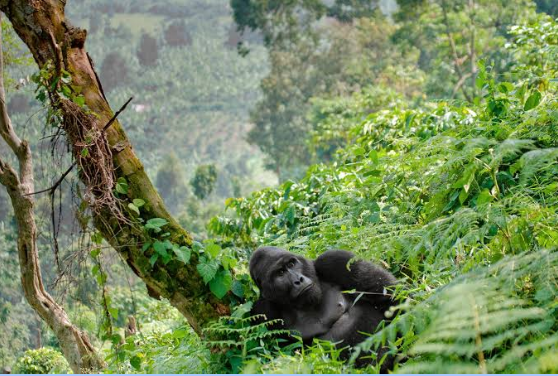

Mountain gorillas live in only a handful of forests on Earth, and two neighboring countries offer the most reliable access to them. Uganda shelters gorillas in the ancient Bwindi Impenetrable Forest and in Mgahinga, while Rwanda protects them in Volcanoes National Park. Each country delivers a different version of the same extraordinary encounter. A Uganda and Rwanda gorilla safari lets you compare them, and many travelers find that doing both is the most rewarding option.
This guide explains how gorilla trekking works in each country, what permits cost, how the experiences differ, and how to link them in one itinerary.
Why Mountain Gorillas Matter
Mountain gorillas are among the rarest great apes. Poaching, snares, habitat loss and regional conflict once pushed them toward extinction. Today they are a conservation success story, with numbers rising thanks to anti-poaching patrols, veterinary care and regulated tourism. They remain classified as Endangered, so every visit carries a responsibility to follow the rules and support operators who put conservation first.
Permit fees are central to that model. They fund park protection, pay rangers and trackers, and deliver benefits to nearby communities, which gives local people a reason to defend the forest.
Gorilla Trekking in Uganda
Bwindi Impenetrable National Park
Bwindi is a UNESCO World Heritage Site and the largest gorilla destination in the world. Its dense, steep, mist-covered forest is divided into trekking sectors:
- Buhoma in the north, the original and most established sector
- Ruhija in the east, known for scenery and birdlife
- Rushaga in the south, with the largest number of gorilla families
- Nkuringo in the southwest, with dramatic views and demanding terrain
Each sector has its own lodges and gorilla families, so you can choose based on fitness, budget and where you are headed next.
Mgahinga Gorilla National Park
Mgahinga sits in the Virunga volcanoes on the Rwandan and Congolese borders. It is smaller, with fewer gorilla groups, so permits are harder to secure. It pairs well with golden monkey tracking and volcano hikes.
The Habituation Experience
Uganda also offers a longer encounter with gorillas still in the habituation process. The permit costs US$1,500 per person and allows up to four hours with a gorilla family, rather than one. It is available in the Rushaga sector and suits dedicated enthusiasts and photographers. africansafaris
Permit Costs in Uganda
A standard gorilla trekking permit costs $800 per person in high season, or $600 in the low-season months of April, May and November. Uganda has revised its tariff in the past and announced further changes in 2026, so confirm the current price before booking. dumaexplorer
Gorilla Trekking in Rwanda
Volcanoes National Park
Rwanda’s gorillas live in Volcanoes National Park, part of the same Virunga Massif as Mgahinga. The park is about two hours from Kigali, with bamboo forest, open slopes and views of the volcanoes. Because the roads are good and the distance is short, it is one of the easiest gorilla destinations to reach.
The Trek
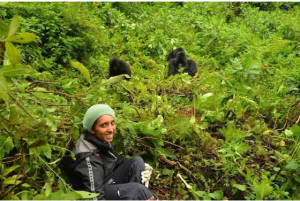
Treks can last anywhere from 90 minutes to 6 hours, depending on where the assigned family has moved. Rangers and trackers lead small groups, and everyone spends one hour with the gorillas under strict rules about distance and behavior. dumaexplorer
Permit Costs in Rwanda
A Rwanda gorilla permit costs USD $1,500 per person. The permit is run through the Rwanda Development Board, and it is recommended to book 3 to 6 months in advance for peak dates. dumaexplorer
Cultural and Conservation Highlights
Rwanda’s annual gorilla naming ceremony, Kwita Izina, celebrates the animals and the communities that protect them. Visitors can also hike to the former research site of Dian Fossey, whose work helped bring the gorillas’ plight to the world’s attention.
Uganda vs Rwanda: How They Compare
| Factor | Uganda | Rwanda |
| Gorilla parks | Bwindi, Mgahinga | Volcanoes |
| Permit price | About $800 (lower in some low-season months) | $1,500 |
| Terrain | Dense, steep, rugged forest | Volcanic slopes, bamboo, more open |
| Access | Long drives or domestic flights | Around 2 hours from Kigali |
| Other primates | Chimpanzees, golden monkeys, many others | Golden monkeys, plus chimps and colobus in Nyungwe |
| Extra experiences | Habituation, big game parks | Compact trips, Kigali culture |
| Best for | Value and variety | Speed and convenience |
Neither country offers a “better” gorilla encounter in the wild. What differs is the journey around it.
Why Combine Uganda and Rwanda?
Contrasting landscapes. Bwindi is deep, ancient and wild. Volcanoes is open, volcanic and dramatic. Seeing both gives you two very different faces of gorilla country.
Different gorilla families. Each family has its own personalities and dynamics, and the experience of a large group with several silverbacks can differ from a small family with infants.
Wider wildlife. Uganda adds chimpanzees, big game and rich birdlife. Rwanda adds golden monkeys, Nyungwe’s primates and a culturally compelling capital.
Flexibility. If permits are sold out in one country on your dates, the other may have availability, which gives you more options.
Efficient routing. The two countries share a border in the Virunga region. A well-planned overland route avoids doubling back.
How to Combine Them
Overland Routes
The most common crossing is between southwestern Uganda (around Kisoro, Kabale or Bwindi) and northwestern Rwanda (around Musanze). Border posts such as Cyanika and Katuna are widely used. Transfers between Bwindi and Volcanoes typically take several hours, depending on the sector and border processing time.
Using Kigali or Entebbe
You can also fly into one capital and out of the other, which avoids backtracking. For example, arrive in Entebbe, travel through Uganda, cross into Rwanda and fly home from Kigali. Check airline pricing for open-jaw tickets.
Documents and Visas
Entry rules differ by nationality and change over time. East Africa has had joint tourist visa arrangements in the past, so ask your operator or the relevant immigration authorities what applies to you. Carry your yellow fever certificate if required, and keep your passport valid for at least six months.
Sample Itineraries
8-Day Uganda and Rwanda Gorilla Safari
Day 1: Arrive in Entebbe. Days 2 to 3: Travel to Bwindi and trek gorillas. Day 4: Transfer to Kisoro, with an optional golden monkey trek in Mgahinga. Day 5: Cross into Rwanda and continue to Musanze. Day 6: Second gorilla trek in Volcanoes. Day 7: Return to Kigali. Day 8: Depart.
10-Day Primates and Wildlife
Add chimpanzee tracking in Kibale or game drives in Queen Elizabeth National Park before heading to Bwindi, then finish in Rwanda with gorillas and Kigali.
12-Day Premium Journey
Include fly-in transfers, a habituation experience in Bwindi, Nyungwe chimpanzees in Rwanda and a few days of relaxation on Lake Kivu.
For reference, a 5-day gorilla trekking safari in Uganda can cost anywhere from $2,400 to $4,500 per person, depending on accommodation quality. A trip that adds Rwanda’s higher permit and cross-border logistics will cost more. kabiraugandasafaris
Best Time to Go
Gorillas can be trekked all year, and there is no single month that guarantees a better encounter. Your choice depends on comfort and budget. dumaexplorer
- June to September and December to February: Drier, easier trails, higher demand.
- March to May and October to November: Wetter, with muddier trails and more mist, but fewer visitors and lower rates. Uganda’s discounted permit months fall in this period.
Always pack waterproofs. Rain in the forest is possible at any time of year.
Practical Tips
- Book early. Permits are limited, and the best lodges fill up quickly. Rwanda recommends 3 to 6 months ahead.
- Meet the age requirement. The minimum age is 15 in both countries. dumaexplorer
- Be prepared for effort. Treks involve altitude, steep slopes and mud. Moderate fitness helps, and porters are available.
- Pack well. Waterproof boots, long sleeves and trousers, gardening gloves, rain gear, insect repellent and a low-light camera. No flash.
- Stay healthy. Gorillas can catch human illnesses, so you may be refused entry if you are unwell. Maintain the required distance and follow ranger instructions.
- Tip fairly. Rangers, trackers and porters rely on gratuities.
- Insure your trip. Make sure your policy covers adventure activities and medical evacuation.
Choosing the Right Operator
For a two-country itinerary, a good operator is particularly valuable. Look for:
- Experience in both Uganda and Rwanda
- Transparent, itemized pricing
- Ability to secure permits and manage the border crossing
- Strong guides and well-maintained vehicles
- Responsible practices, including fair wages and community support
Conclusion
A Uganda and Rwanda gorilla safari gives you the best of both worlds: Uganda’s value, variety and wild forest, and Rwanda’s convenience, polish and volcanic scenery. Each country offers the same unforgettable hour with a mountain gorilla family, but the journeys around it differ enough that combining them is a rewarding choice. With careful planning, early permit booking and a respectful approach, your trip will not only create memories that last a lifetime but also help protect one of the planet’s most precious animals.
Key Takeaways
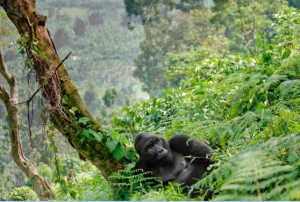
- Mountain gorillas can be trekked in Uganda (Bwindi and Mgahinga) and Rwanda (Volcanoes National Park).
- Gorilla permits cost about $800 in Uganda (with a lower rate in certain low-season months) and $1,500 in Rwanda; confirm current prices.
- Uganda offers the habituation experience at $1,500 for up to four hours with a family.
- Rwanda is about two hours from Kigali, while Uganda’s gorilla parks require longer transfers.
- Combining both countries gives you contrasting landscapes, more primates and greater permit flexibility.
- Gorillas can be seen year-round, and the minimum age is 15.
- Book permits 3 to 6 months ahead, and use an operator experienced in cross-border travel.
Frequently Asked Questions
- Is it better to do a gorilla safari in Uganda or Rwanda?
Both offer excellent encounters. Uganda is cheaper and offers more variety, while Rwanda is quicker to reach and more streamlined. Many travelers combine both. - How much are gorilla permits in Uganda and Rwanda?
About $800 in Uganda (with a discounted rate in some low-season months) and $1,500 in Rwanda. Prices may change, so verify before booking. - Can I trek gorillas in both countries on one trip?
Yes. The two countries share a border in the Virunga region, and many itineraries cross overland between southwestern Uganda and northwestern Rwanda. - How long do I spend with the gorillas?
One hour on a standard permit. Uganda’s habituation permit allows up to four hours. - How hard is gorilla trekking?
It ranges from moderate to strenuous, with trek times from about 90 minutes to 6 hours. Porters are available, and guides try to match families to fitness levels. - How many days do I need for both countries?
At least 7 to 8 days for a focused gorilla trip, and 10 to 12 days if you want to add chimpanzees or big game. - What is the best time of year?
Any time of year works. June to September and December to February are generally drier, while the wetter months offer lower rates and fewer visitors. - Can children go gorilla trekking?
No. The minimum age in both countries is 15. - Do I need a visa?
Yes, in most cases. Requirements vary by nationality and change over time, so check with the relevant immigration authorities or your operator well before travel. - How far ahead should I book?
Three to six months ahead is recommended, and earlier for June to September and holiday periods.
Note: Permit prices, tariffs, visa rules and park regulations change. Treat the figures here as planning estimates and confirm current details with the Uganda Wildlife Authority, the Rwanda Development Board or a licensed operator before booking.
I can also put this into a Word doc or a ready-to-publish web page if you’d like.