

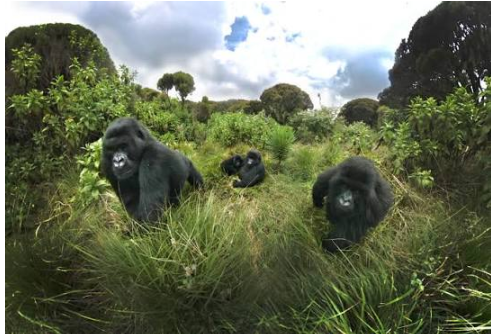

Few animals inspire as much awe as the Mountain gorilla in Rwanda. Living on the forested slopes of the Virunga volcanoes, they are one of the planet’s rarest great apes and one of conservation’s most hopeful stories. Rwanda protects them in Volcanoes National Park, where careful management, community partnership and low-volume tourism have helped their numbers recover. This guide covers who these gorillas are, how they live, how conservation saved them, how to see them and how to travel responsibly.
Meet the Mountain Gorilla
The mountain gorilla is a subspecies of the eastern gorilla. Adults have thick, dark fur suited to cold, misty altitudes, and they are among the largest primates on Earth. Adult males, known as silverbacks for the silver saddle that appears on their backs at maturity, can weigh around 200 kilograms. Females are considerably smaller.
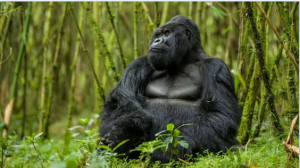
Despite their size, mountain gorillas are gentle, mostly herbivorous animals. They eat leaves, stems, shoots, bamboo and fruit when available, and they spend much of the day feeding, resting and grooming. Infants ride on their mothers’ backs and play with siblings, which delights visitors.
Where Mountain Gorillas Live
Mountain gorillas survive in only two areas: the Virunga Massif, which spans Rwanda, Uganda and the Democratic Republic of Congo, and Bwindi Impenetrable National Park in Uganda. In Rwanda, they live in Volcanoes National Park, in the northwest, protecting part of the Virunga range.
The habitat includes bamboo forest, montane rainforest and high-altitude moorland on volcanic slopes, often wrapped in cloud and mist. The park contains five of the Virunga volcanoes, including Karisimbi, Bisoke and Sabyinyo, and sits roughly two to three hours by road from Kigali.
Gorilla Society and Behavior
Mountain gorillas live in stable groups, usually led by a dominant silverback who makes decisions about where to feed, rest and nest. A group may include several females, their offspring and sometimes additional males. Some groups have more than one silverback.
Key behaviors include:
- Daily routine. Gorillas feed in the morning, rest around midday and feed again in the afternoon before building simple nests for the night.
- Communication. They use vocalizations, body postures and chest beating to signal mood, warn rivals and keep the group together.
- Grooming. Mutual grooming strengthens bonds and keeps the group calm.
- Play. Young gorillas wrestle, chase and tumble, offering some of the most memorable moments for visitors.
- Nesting. Each evening they make new nests from leaves and branches.
A Conservation Success Story
Mountain gorillas in rwanda were once pushed toward extinction by poaching, habitat loss and disease. By the 1980s only a few hundred remained. Decades of work by governments, researchers and conservation organizations changed the outlook. Anti-poaching patrols, veterinary care, habitat protection and community engagement all played a role, and the population has slowly grown. They remain endangered, however, and the recovery is fragile.
Rwanda’s contribution is significant. Rangers monitor groups daily, veterinarians treat injured or sick animals, and a share of tourism revenue is directed to communities living around the park. The annual Kwita Izina naming ceremony, where baby gorillas are given names, celebrates this partnership between people and wildlife.
The legacy of Dian Fossey, the American primatologist who studied and defended mountain gorillas in the Virungas, remains part of the story. Her research station site is now a popular hiking destination in Volcanoes National Park.
How to See Mountain Gorillas in Rwanda
The Trek
Gorilla trekking in Rwanda begins at park headquarters in Kinigi, where rangers brief visitors on safety and rules, then assign you to a habituated family. Each family is visited by one group of up to eight people per day. Trackers locate the gorillas in advance, and you follow rangers through farmland, bamboo and forest. The hike can take from roughly one hour to several hours, depending on where the family is. Once you reach them, you spend one hour observing from a respectful distance.
Choosing a Family
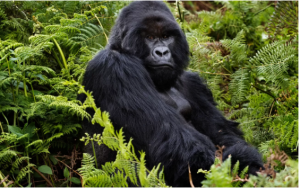
Gorilla families differ in size, personality and location. Some stay on lower slopes with gentler terrain, while others range high on the volcanoes. Tell rangers about your fitness and preferences at the briefing, and they will try to match you to a suitable family.
Other Experiences
- Golden monkey tracking in the bamboo zone
- Dian Fossey hike to her former research camp
- Volcano climbs, including Bisoke and its crater lake
- Cultural visits to nearby communities
Fitness and Preparation
Trekking is physically demanding at altitude, with steep, muddy and sometimes slippery ground.
- Train for several weeks with hill walking, stair climbing and cardio.
- Break in waterproof hiking boots before you travel.
- Hire a porter to carry your pack, assist on tough sections and support local families.
- Pace yourself and drink water regularly.
- Tell your guide if you need a rest.
What to Pack
- Waterproof hiking boots with good grip
- Long-sleeved shirts and long trousers in neutral colors
- A lightweight waterproof jacket and warm layers
- Gardening gloves for gripping vegetation
- Gaiters or long socks
- Insect repellent, sunscreen and a hat
- A camera with a fast lens, no flash, spare batteries and a waterproof bag
- A refillable water bottle and snacks
Rules and Etiquette
Strict rules protect gorillas from stress and disease.
- Keep about seven meters from the gorillas.
- Speak softly and move slowly.
- Never use flash photography.
- Do not eat, drink or smoke near the animals.
- If a gorilla approaches, stay calm, look down and follow your guide’s instructions.
- Cover your mouth if you cough or sneeze, and turn away from the gorillas.
- Do not trek if you are unwell. Gorillas share a large portion of their DNA with humans and are vulnerable to our illnesses.
Permits, Costs and Booking
A gorilla permit is required for every trekker, and Rwanda limits the number issued each day. Rwanda’s permit price is generally higher than Uganda’s and may change over time, so confirm current fees with the Rwanda Development Board or your operator before budgeting. Remember to include accommodation, transfers, meals, porter fees and tips.
Book six to twelve months ahead for peak seasons. An experienced operator can arrange permits, transport and lodging, and help match you to a suitable gorilla family.
Best Time to See Mountain Gorillas in Rwanda
- Dry seasons (roughly June to September and December to February): Trails are firmer and easier, and photography conditions are generally better. These are the busiest months.
- Wet seasons (roughly March to May and October to November): Lush scenery, fewer visitors and sometimes lower rates, but muddy, slippery trails. Quality rain gear is essential.
Gorillas can be seen year-round, and mountain weather changes quickly in any month.
Responsible Gorilla Tourism
Tourism funds protection, but it also carries risks, so responsible behavior matters. Follow every rule, choose operators and lodges that employ local people, hire local porters, avoid single-use plastics and buy crafts directly from artisans. Rwanda bans single-use plastic bags, so keep this in mind when packing. Above all, never visit the gorillas if you are sick.
Key Takeaways
- Mountain gorillas in Rwanda live in Volcanoes National Park, part of the Virunga Massif.
- They are gentle, mostly plant-eating apes living in family groups led by a silverback.
- Decades of conservation have allowed numbers to recover, though they remain endangered.
- Treks involve a briefing, a hike of roughly one to several hours and one hour with a habituated family.
- Permits are limited and priced at a premium, so confirm current rates and book early.
- Fitness, waterproof boots, gloves and layers make the trek more comfortable.
- Strict rules and health precautions protect the gorillas.
- Permit fees and responsible travel support conservation and local communities.
Conclusion
Mountain gorillas in Rwanda represent both the fragility and the resilience of the natural world. From the edge of extinction, they have been given a future by rangers, scientists, communities and thoughtful travelers. Meeting a family in the bamboo forest, watching a silverback keep a calm watch while infants tumble nearby, is a moment that changes how many people think about wildlife. Prepare well, follow the rules, travel responsibly and you will leave with memories that last, knowing that your visit helps keep these remarkable animals alive.
Frequently Asked Questions
- Where can I see mountain gorillas in Rwanda?
In Volcanoes National Park, in the northwest, roughly two to three hours by road from Kigali. - How many mountain gorillas are there?
Only around a thousand remain worldwide, shared between the Virunga Massif and Bwindi in Uganda. Numbers have slowly increased through conservation, but the species is still endangered. - How long do I spend with the gorillas?
One hour once you find the family. This limit reduces stress on the animals and lowers disease risk. - How difficult is the trek?
It ranges from moderate to challenging depending on the family’s location. Expect steep, muddy terrain at altitude. Porters help, and you can ask for an easier family. - How many people visit each gorilla family?
A maximum of eight visitors per family per day. - What is the minimum age?
The minimum age is generally 15 years. Rangers may check ages at the briefing. - Why is the Rwanda permit more expensive than Uganda’s?
Rwanda promotes low-volume, high-value tourism. Higher fees limit visitor numbers and fund conservation and community projects. - When is the best time to go?
June to September and December to February are drier and easier. Wet seasons offer lush scenery and fewer visitors. - Are mountain gorillas dangerous?
They are generally peaceful, and habituated families are accustomed to visitors. Following your guide’s instructions and keeping your distance keeps encounters safe. - How does my visit help gorillas?
Permit fees fund ranger patrols, veterinary care and community projects. Choosing responsible operators and spending locally increases the benefit.